
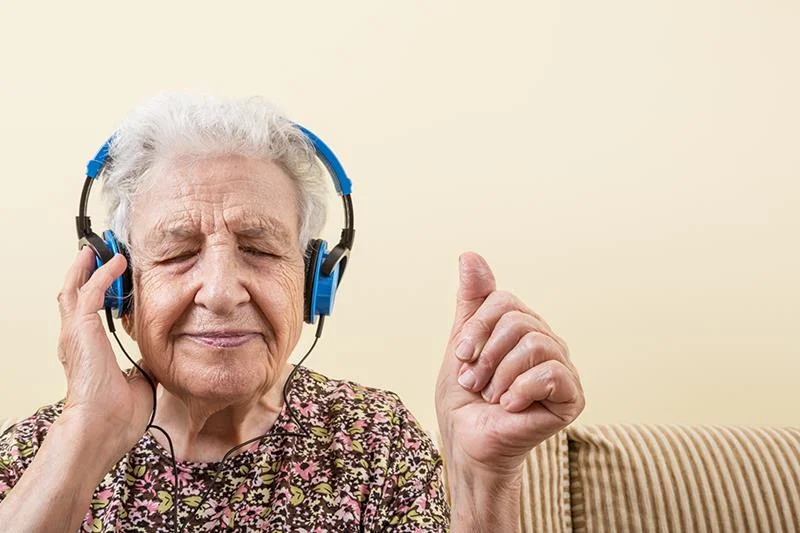
As Detroit’s senior population continues to grow, traditional caregiving approaches are increasingly complemented by holistic therapies. Among these, music therapy stands out for its powerful blend of emotional, cognitive, and physical benefits. In this article, we explore why this approach matters for older adults—and how Detroit families can tap into its potential.
What Is Music Therapy?
Music therapy is a clinical and evidence-based practice conducted by trained professionals. It involves two main types:
- Active therapy, where seniors sing, play simple instruments, or compose music.
- Receptive therapy, which focuses on listening to music—especially songs with personal significance.
Participants don’t need musical talents; the goal is therapeutic engagement, using music to support emotional, cognitive, and physical wellness.
Cognitive & Memory Benefits
Music activates multiple parts of the brain. Research shows it can enhance memory, attention, and mental clarity—especially for older adults living with dementia or Alzheimer’s. One study found that Alzheimer’s patients who listened to familiar music showed improved memory recall and alertness compared to those who engaged in puzzles or paintin. This occurs because music often remains accessible even when other brain functions decline
Emotional & Mental Health Gains
Seniors commonly face stress, anxiety, loneliness, and depression. Music therapy has consistently been shown to:
- Lower stress and cortisol levels
- Increase dopamine and endorphins
- Lift spirits and reduce symptoms of depression.
It also provides a nonverbal way to express emotion, especially for those who may struggle to communicate verbally .
Physical Rehabilitation & Pain Relief
Music supports movement and motor skills. Seniors encouraged to sing, tap, or dance often demonstrate:
- Improved balance, coordination, and mobility
- Reduced perception of pain due to natural endorphin release
It can support recovery from strokes, chronic pain conditions, and physical rehabilitation by making therapy more engaging.
Strengthening Social Bonds
Music therapy is frequently delivered in group settings, promoting:
- Social connections and shared experiences
- A sense of community, reducing feelings of loneliness
Sing-alongs, instrument sessions, and group listening create natural conversation points and foster camaraderie among participants.
Better Sleep & Stress Management
Listening to slow-tempo, calming music before bedtime has been linked in clinical trials to:
- Improved sleep quality in older adults
- Reduced anxiety and decreased dependence on sleep medications.
Music therapy also helps lower blood pressure and heart rate, promoting overall relaxation .
Incorporating Music Therapy in Detroit
Families and caregivers in Detroit can adopt music therapy in meaningful ways:
- Create personalized playlists featuring favorite songs from the past—familiar tunes with personal significance produce the strongest emotional response.
- Encourage active participation: singing, light movement, or instrument use cultivates motor and cognitive engagement.
- Join community or care facility programs: Many Detroit senior centers and assisted living facilities offer group music sessions. Nonprofits like Renaissance Enterprises bring live performances into eldercare settings.
- Use music before bedtime to support sleep hygiene and reduce evening anxiety.
The Science Behind the Benefits
Meta-analyses and systematic reviews reinforce music therapy’s value in elderly care:
- Depression and quality of life improve notably in geriatric populations engaged in music therapy.
- Immediate reductions in agitation and anxiety have been observed in patients with advanced dementia when therapy is personalized.
These findings underscore the importance of trained therapists and individualization for best outcomes.
Why Detroit Seniors Benefit
Detroit’s seniors face specific challenges—urban isolation, harsh winters, and limited access to cultural engagement. Music therapy offers a powerful, low-risk tool that:
- Bridges cognitive and emotional gaps
- Encourages gentle physical activity
- Brings structure and joy into daily life through group sessions or meaningful playlists
Dream Estates & Music Therapy: A Community Approach
At Dream Estates Assisted Living Facility in Detroit, we recognize the value of music therapy as an essential component of holistic elder care. Our licensed therapists work with residents to develop personalized music interventions—blending familiar favorites with interactive music-making.
Through group sing-alongs, instrument time, and curated playlists, Dream Estates incorporates music therapy into daily routines. This enriches resident life by fostering social bonds, improving mood, and providing cognitive stimulation.


No comment